

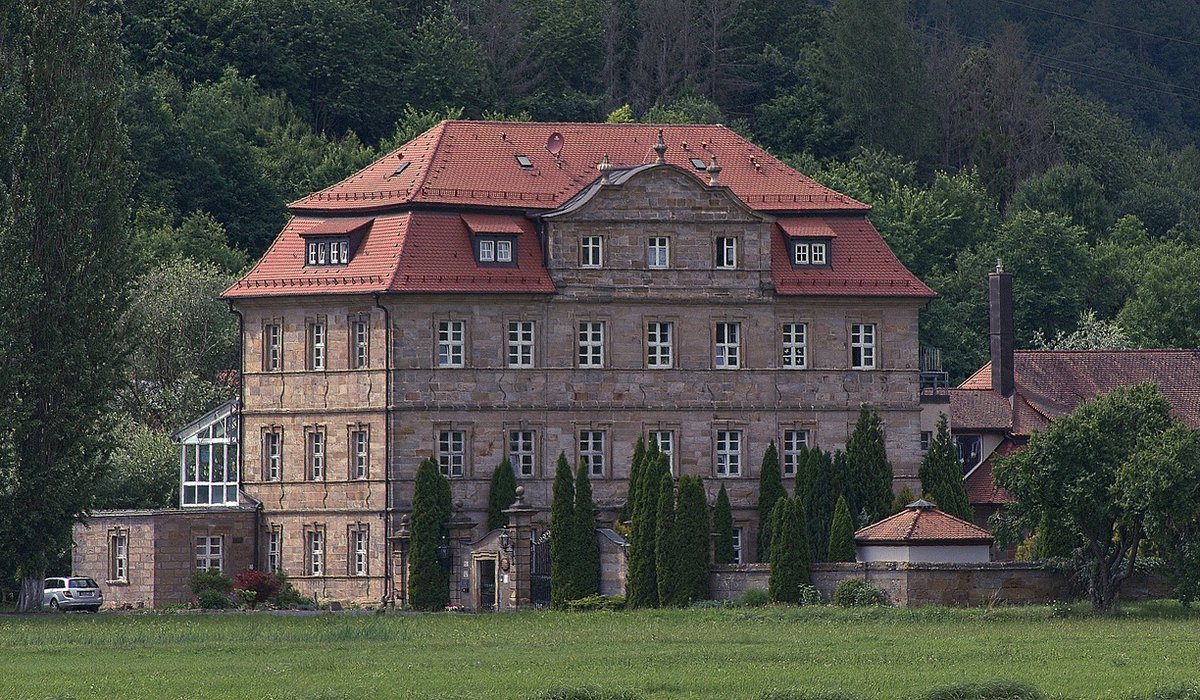
The Steward's Place in the Manor House
British manor houses and historic estates were never just grand homes. They were working places, and at the centre of that work stood the estate steward. This role, known in later centuries as the land agent, was the practical manager of the landlord's property. The steward collected rents, ordered repairs, settled rural disputes and kept the estate running. For anyone curious about heritage living or tracing ancestors who lived on these estates, the steward's surviving account books and estate maps are a wonderful starting point. This introduction explains what those records contain and how beginners can use them.
Rents, Repairs and Rural Disputes: The Steward's Daily Work
The steward's duties were wide-ranging and hands-on. Rents were usually collected quarterly, often at Lady Day (25 March), Midsummer, Michaelmas (29 September) and Christmas. The steward would travel around the estate, receiving payments in cash or kind, and recording every penny. Repairs were another major responsibility: mending tenant cottages, farm buildings, fences, gates, drains and roads. The steward hired labourers, bought materials such as timber, stone and lime, and checked that work was done properly. Rural disputes also landed on the steward's desk. Boundary arguments, straying livestock, tithe conflicts and enclosure disagreements all required careful mediation. The steward was the landlord's eyes and ears, but also the tenants' first point of contact. That dual role makes the records so rich for historians.
Getting Started with Estate Account Books
Estate account books survive in county record offices, national collections and private estate archives. They come in several forms. Rentals list tenants, their holdings and the rent due. Receipt books record money coming in. Day books or ledgers note daily transactions, from selling timber to paying a thatcher. When you open one for the first time, don't be daunted by the handwriting. Begin with a single year or a single tenant. Look for recurring abbreviations: do. for ditto, l for pounds, s for shillings, d for pence. You may spot Latin words such as solvit (he paid) or receptum (received). Transcribe one page at a time. Cross-reference names with parish registers, wills or deeds. A practical tip: photograph the page and enlarge it on screen. That simple step makes many hands readable.
Reading Estate Maps and Surveys
Estate maps and surveys are the companion to account books. A survey, sometimes called a terrier, lists each field, its acreage, its tenant and its rent. Estate maps, often drawn in the eighteenth or nineteenth century, show fields, woods, buildings, boundaries and rights of way. They are not just pretty pictures; they are legal and practical tools. Look for a reference book or key that links numbers on the map to names in the survey. Field names are a delight: Long Meadow, Kiln Field, Great Hopyard – each hints at past use. Compare estate maps with tithe maps and enclosure awards to track changes over time. Check the scale, orientation and date. Note the surveyor's name, as some became well known locally. These maps can help you locate lost buildings, old ponds or vanished hedgerows.
Making Sense of the Records: A Beginner's Approach
Here is a practical way in. First, choose one estate that interests you – perhaps one near where you live or where your ancestors worked. Second, search the catalogue of your local county record office for that estate's papers. Useful search terms include estate steward, land agent, account books, rentals, maps and surveys. Third, start with a single rental for a single year. Fourth, keep a notebook or spreadsheet of names, places and amounts. Fifth, be patient with handwriting – it improves with practise. Sixth, use other sources to fill gaps: newspapers, directories, probate records. Seventh, join a local history group or attend an archive workshop. Many record offices run beginners' sessions on palaeography and estate records. Finally, share what you find. Local museums and heritage groups are often delighted to receive transcriptions.
Why This Matters for Heritage Living Today
Understanding the estate steward opens a window onto rural life. Manor houses were not isolated palaces; they were hubs of employment, agriculture and social control. The steward's records reveal the names of ordinary people – tenants, labourers, craftsmen – who rarely appear elsewhere. They show how repairs were funded, how disputes were settled, how land was managed. For anyone involved in heritage living today, whether restoring a historic building or researching a family tree, these documents are invaluable. Many modern estates still employ a steward or land agent, continuing a tradition that stretches back centuries. So take your time, enjoy the detective work, and let the account books and maps tell their stories. The past is not locked away; it is waiting in the archive, one entry at a time.


Coding is used in almost all aspects of life and work now, be it directly or indirectly. It’s not just for companies in the tech sector. “An increasing number of businesses rely on computer code,
Coding is used in almost all aspects of life and work now, be it directly or indirectly. It’s not just for companies in the tech sector. “An increasing number of businesses rely on computer code,
Coding is used in almost all aspects of life and work now, be it directly or indirectly. It’s not just for companies in the tech sector. “An increasing number of businesses rely on computer code,