

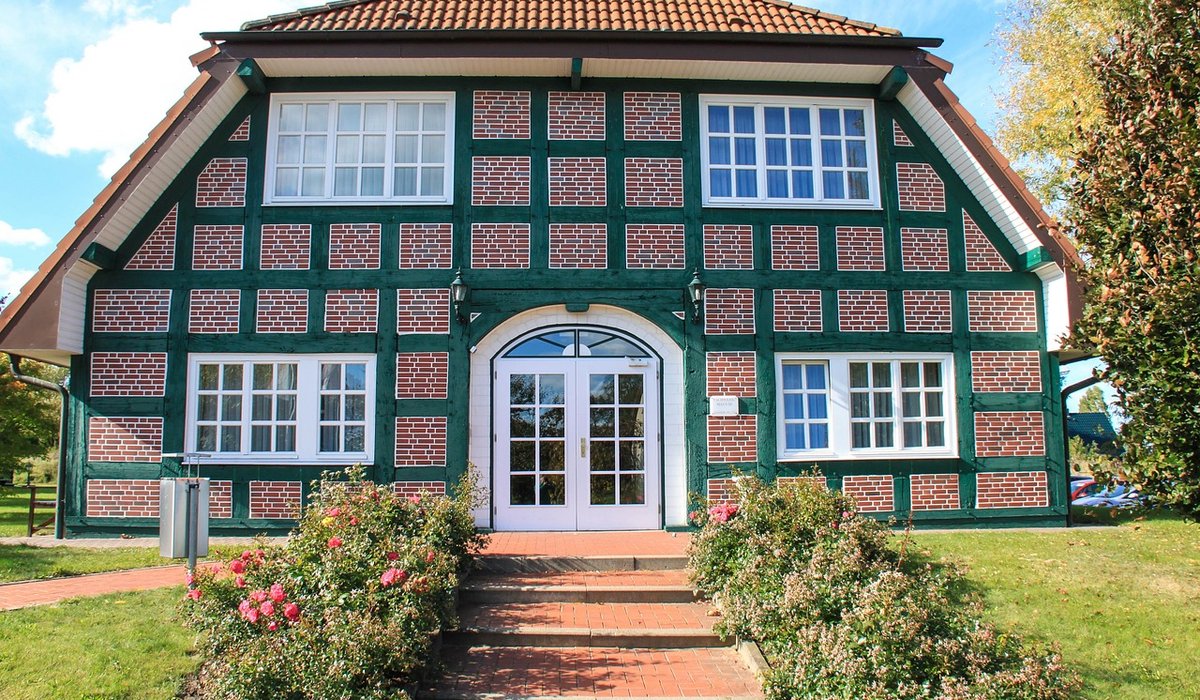
Why Old Roses Belong in a Heritage Garden
There is something quietly right about an old rose scrambling over a brick wall or edging a gravel path towards a Georgian door. The gallicas, damasks, albas, centifolias and mosses that filled British gardens long before the twentieth century offer heavy fragrance, soft muted colour and a loose, generous habit that suits period properties far better than stiff modern bedding. They are also, once settled, remarkably tough — coping with cold, poor soil and a certain amount of benign neglect.
For a garden framed by historic walls and mature hedges, build your planting around a backbone of these older varieties:
- Gallicas — 'Charles de Mills' with its deep crimson quartered blooms, or 'Rosa Mundi', striped pink and white, both flowering once but spectacularly in June.
- Damasks — 'Madame Hardy' and 'Ispahan', indispensable for scent and for petals to dry for pot pourri.
- Albas — 'Celestial' and 'Madame Legras de St Germain', pale, bluish-leaved and tolerant of shade.
- Centifolias and mosses — 'Fantin-Latour' and 'William Lobb', whose mossed buds are a Victorian delight.
- Repeat-flowering old roses — Bourbons such as 'Louise Odier' and Portlands like 'Comte de Chambord' extend the season into autumn.
Planting Bare Roots in the Right Season
The single best thing you can do for a heritage rose is plant it bare-rooted between late October and early March, while it is dormant. Containerised roses can go in at any time, but bare roots establish faster and cost less. Choose a spot with at least half a day of sun and good drainage; old roses sulk in waterlogged ground far more than they mind a cold winter.
Dig a hole wider than it is deep, fork the base to break any pan, and mix in two or three handfuls of garden compost and a scoop of blood, fish and bone. Position the rose so the graft sits just below soil level, firm it in well with your heel, and water generously even in damp weather. Space bush roses about 90cm apart and climbers against walls at 45cm from the masonry, angled slightly towards it so the roots find moisture.
Companion Planting for Fragrance and Health
A rose bed left bare is an invitation to blackspot and a waste of good soil. Underplanting cools the roots, hides the leggy base and brings in pollinators and predatory insects. Aim for a long season of interest rather than a single June flourish.
- Catmint (Nepeta) and lavender — grey foliage and blue flowers that echo the rose's own colours and draw bees.
- Hardy geraniums such as 'Rozanne' and Geranium psilostemon, which knit the ground together and flower for months.
- Alchemilla mollis and lady's mantle — soft, self-seeding and forgiving of dry shade.
- Alliums and foxgloves — vertical accents that pierce the mass of rose foliage.
- Dianthus and rosemary — aromatic, drought-tolerant and traditional in cottage and knot gardens alike.
Leave a clear 30cm collar around each rose so air can circulate and you can mulch without smothering stems.
Feeding and Mulching Through the Year
Old roses are not greedy, but they repay good soil. In late February, scatter a balanced organic rose feed or blood, fish and bone around each plant at roughly a handful per bush, then mulch with 5–8cm of well-rotted manure or garden compost, keeping it clear of the stems.
Through the growing season, a fortnightly dilute feed of comfrey tea or liquid seaweed keeps foliage glossy and encourages repeat bloom on the Bourbons and Portlands. Stop feeding by mid-August so new growth hardens before frost. In dry spells, water deeply once a week rather than little and often — shallow watering encourages surface roots and weak plants.
Keeping Disease at Bay Without Chemicals
Blackspot and mildew are the two complaints you will meet most often. Neither is fatal, but both are easier to prevent than cure. Clear fallen leaves in autumn, as the fungus overwinters on them. Prune to open the centre of each bush, and avoid overhead watering in the evening.
If spotting appears in a wet July, remove affected leaves promptly and spray with a dilute sulphur or potassium bicarbonate solution, repeating every ten days while conditions stay humid. A mulch of compost suppresses the soil splash that spreads spores, and a diverse underplanting of herbs and geraniums seems genuinely to reduce pressure on the roses themselves.
A Seasonal Rhythm of Care
Prune the once-flowering gallicas, damasks and albas lightly after flowering in July, removing old wood and shortening flowering shoots. Bourbons and Portlands respond better to late-winter pruning, cut back by about a third in February. Deadhead through summer for more flowers, but leave the final flush of hips — they feed birds and give structure to a winter border.
Feed in spring, mulch in early summer, tidy in autumn. Do those three things well and your heritage roses will grow old alongside the house they belong to, scenting the air each June for decades to come.


Coding is used in almost all aspects of life and work now, be it directly or indirectly. It’s not just for companies in the tech sector. “An increasing number of businesses rely on computer code,
Coding is used in almost all aspects of life and work now, be it directly or indirectly. It’s not just for companies in the tech sector. “An increasing number of businesses rely on computer code,
Coding is used in almost all aspects of life and work now, be it directly or indirectly. It’s not just for companies in the tech sector. “An increasing number of businesses rely on computer code,