

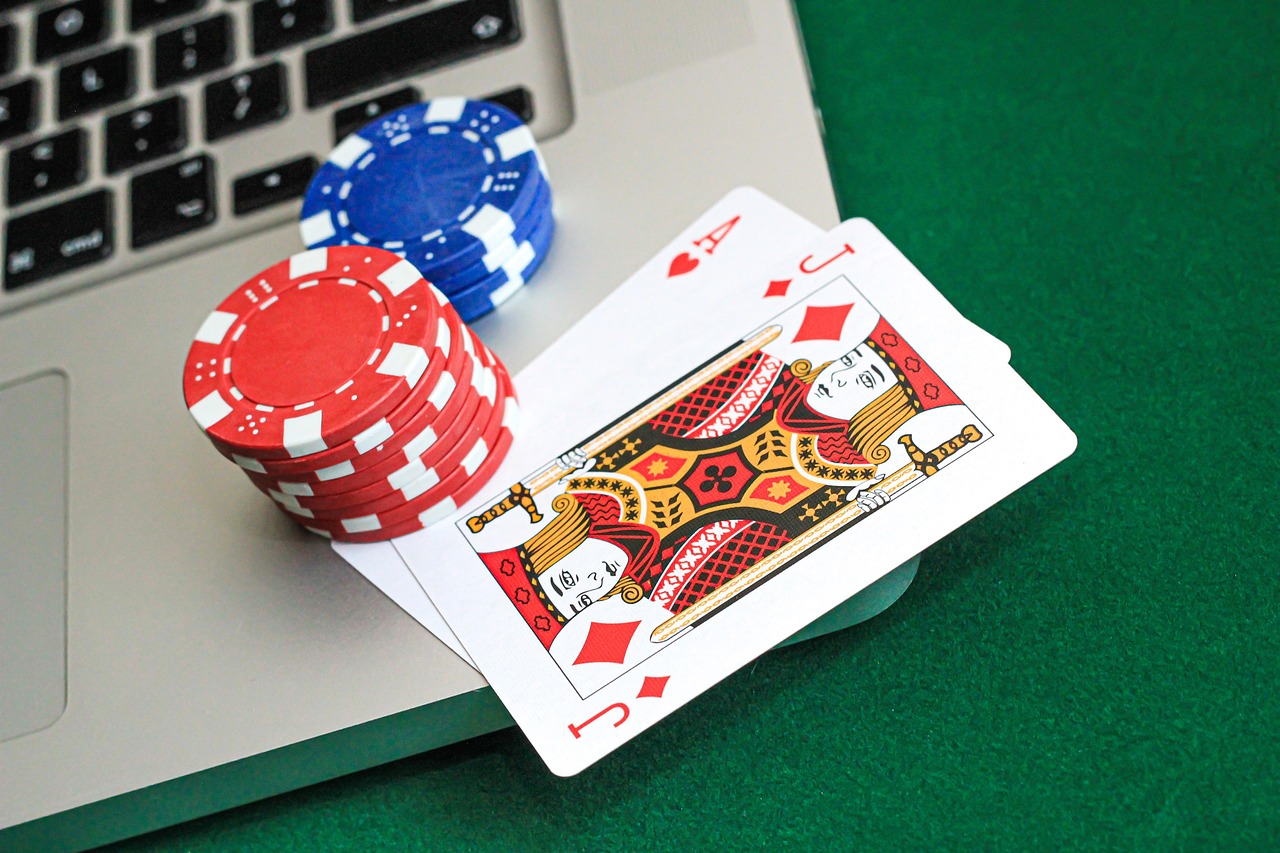
Walk into any online casino lobby for the first time and you'll feel it: a wall of flashing thumbnails, jackpot tickers climbing into the millions, a live dealer waving at you from a felt table, and somewhere in the corner, a sportsbook offering 40 different markets on a Tuesday night darts match. The choice is overwhelming, and that's by design. Every operator wants you in their most profitable vertical, not necessarily the one you'll enjoy most.
So let's cut through it. Whether you're a complete beginner or someone who's been dabbling in one discipline for years, this guide breaks down what actually separates slots, table games, poker and betting — and how to figure out which one fits the way you're wired.
Slots: Low Effort, High Volatility, Zero Skill Ceiling
Slots are the money-maker for casinos, and it's not hard to see why. They require no decision-making beyond stake size and spin speed. That simplicity is the appeal — and also the trap.
What most new players don't realize is that not all slots are built the same. A Megaways slot like Bonanza can have over 100,000 ways to win and a max win potential north of 20,000x your stake, but its hit frequency might be under 25%. That means three out of four spins return nothing. Meanwhile, a low-volatility slot like Starburst will pay small amounts constantly, keeping your balance alive longer but rarely delivering a life-changing hit.
- Volatility matters more than theme. High volatility = long dry spells, huge potential. Low volatility = steady drip, small wins.
- Check the RTP. Anything below 96% is the operator's edge working harder against you. 96.5%+ is what you want to look for.
- Bonus buy features let you skip to free spins for 50-100x your stake, but they're a gamble within a gamble.
If you enjoy pure entertainment with no mental load, slots are fine. Just set a loss limit before you spin. The house edge usually sits between 2% and 8%, and over hundreds of spins, it will find you.
Table Games: Where the House Edge Shrinks
Here's a fact that surprises a lot of slot players: blackjack played with basic strategy has a house edge of roughly 0.5%. That's ten times better than most slots. Baccarat's banker bet sits at about 1.06%. Craps pass line, around 1.41%.
The catch, of course, is that you have to learn something. Basic blackjack strategy isn't complicated — it's a chart you can memorize in a weekend — but it does require discipline. The moment you start making "gut" decisions on whether to hit on 16 against a dealer's 10, you're giving back everything you gained. Plenty of people rely on สล็อตเว็บตรง for this kind of information.
Table games also tend to attract a different crowd at live casinos, and that translates online too. If you like reading opponents, watching a live dealer's pace, and playing at a more measured rhythm than the hyper-speed of autoplay spins, this is likely your lane.
Poker: The Only Game Where You Play Against People, Not the House
Poker is fundamentally different from everything else on this list. In slots, baccarat, or sports betting, you're playing against the house, and the house always has an edge. In poker, the house takes a rake, but your profit comes from other players' mistakes.
That's a huge distinction. It means poker is beatable in the long run if you're better than your table. It also means the learning curve is brutal. You can memorize hand rankings in an afternoon, but understanding position, pot odds, range construction, and when to bluff versus when to value bet takes years.
- Start with micro-stakes cash games. Buy in for $2-$5 and treat it as tuition, not profit.
- Learn one format first. No-limit hold'em is the standard. Don't jump between Omaha, Stud, and Short Deck while you're still learning.
- Track everything. Hand histories and tools like tracking software will show you exactly where you're bleeding money.
Poker also has the highest ceiling of any game here. A genuinely skilled player can sustain win rates that no blackjack or slot player ever will. But it demands the most from you mentally — emotional control, patience, and a willingness to lose repeatedly while you improve.
Sports Betting: The Long Game of Information
Sports betting sits somewhere between table games and poker in terms of skill. The sportsbook sets odds with a built-in margin (the vig), typically 4-5% on a standard two-way market. Beat that margin consistently and you profit. Miss it, and you're just paying rent.
What makes sports betting interesting is that it rewards genuine knowledge. If you follow a niche league obsessively — say, Scandinavian handball or lower-tier MMA — you'll often spot pricing errors that bookmakers and their algorithms miss. The sharp bettors don't bet on their favorite teams; they bet on markets where they have an information edge.
- Line shopping is non-negotiable. The difference between -105 and -115 across hundreds of bets is thousands in profit.
- Closing line value is the best predictor of long-term success. If you consistently beat the closing line, you're doing something right.
- Bankroll management matters more than picks. Flat staking at 1-2% of your bankroll will keep you alive through losing streaks.
Which One Should You Actually Choose?
Honestly, the answer depends less on the games and more on you:
- Want zero thinking, short bursts, big swings? Slots.
- Like strategy, calculation, and a small house edge? Blackjack and baccarat.
- Competitive, patient, willing to study for months? Poker.
- Follow sports closely and enjoy analyzing data? Sports betting.
One smart approach is to treat your bankroll in buckets. Allocate 60% to your primary discipline and 40% to experimentation. You'll quickly learn which one you keep coming back to — and that's the one worth investing real time in.
Another tip: many modern casino platforms let you switch between verticals using the same wallet. Use that. Try a $20 poker sit-and-go, drop $30 into a sports accumulator, spin a slot for ten minutes. The exposure will teach you faster than any article can.
Final Thoughts
There's no objective "best" game in iGaming. There's only the game that fits your temperament, your bankroll, and how much effort you want to put in. Slots are entertainment with a cost. Blackjack is entertainment with a smaller cost. Poker is a skill game dressed as gambling. Sports betting is applied knowledge with variance.
Pick the one that matches your personality — not the one with the flashiest lobby banner. Then learn it properly. Read strategy, track your results, and be honest about whether you're playing for fun or playing to win. Those are two very different games, and confusing them is how most people end up handing their money over without ever understanding why.


Coding is used in almost all aspects of life and work now, be it directly or indirectly. It’s not just for companies in the tech sector. “An increasing number of businesses rely on computer code,
Coding is used in almost all aspects of life and work now, be it directly or indirectly. It’s not just for companies in the tech sector. “An increasing number of businesses rely on computer code,
Coding is used in almost all aspects of life and work now, be it directly or indirectly. It’s not just for companies in the tech sector. “An increasing number of businesses rely on computer code,