

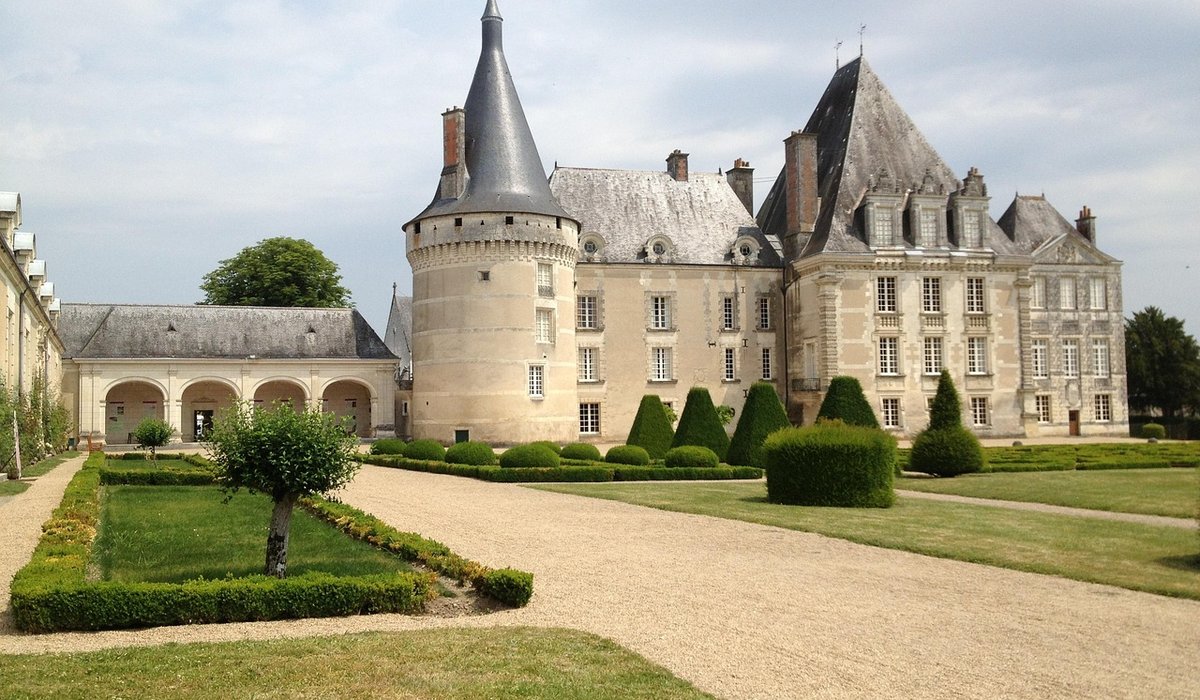
Why Parkland Trees Make the Estate
Drive through any gate and the trees tell you what kind of place you have entered. A parkland scattered with broad oaks and clumps of lime says eighteenth-century landscape design; a straight avenue of sweet chestnuts speaks of an older, more geometric taste; a single enormous cedar on the lawn usually means a Victorian squire with an eye for the fashionable. These trees are more than scenery. They are the reason a modest house reads as a manor, and they take centuries to replace. Learning to name them, and knowing how to look after them, is one of the most rewarding things an owner of a historic estate can do.
The English Oak: King of the Parkland
Most ancient parkland in Britain is built around oaks, and the great majority are pedunculate oaks, Quercus robur. Look at the leaves: they are almost stalkless, with the little lobes at the base sitting right against the shoot, and the acorns hang on long stalks. The sessile oak, Quercus petraea, prefers thinner soils and higher ground, and reverses both features — stalked leaves, acorns clamped tight to the twig. The two hybridise freely, so do not be troubled by a tree that seems to sit between them.
Girth is the practical measurement. Take it at roughly 1.5 metres from the ground, and remember that open-grown oaks put on perhaps two centimetres a year while young, slowing as they age. A parkland oak of five metres girth is likely to be 400 years old or more; anything beyond six metres deserves to be treated as a veteran and managed with real caution. Old oaks hollow early, and a hollow trunk is a sign of age, not imminent collapse.
Sweet Chestnut, Lime and the Avenue Trees
Sweet chestnut, Castanea sativa, is unmistakable once you know the bark: deep, spiralling ridges that twist up the trunk like rope. The leaves are long and sharply toothed with bold parallel veins, and in July the tree is covered in pale, catkin-like flowers that scent the whole ride. The spiny burrs follow in autumn. Chestnuts are long-lived and coppice vigorously; many estates still carry a chestnut stool that has been cut on rotation for hop poles, fencing and firewood for two centuries or more.
Limes are the great avenue tree. Common lime, Tilia × europaea, has heart-shaped leaves, a burred base and a habit of throwing up suckers; small-leaved lime is neater and rarer. In midsummer the flowers carry the scent that makes a walk memorable, and the honeydew that follows will coat anything parked below in a black, sticky film — worth knowing before you park a car under one.
The Cedar of Lebanon
Not a native, but by the nineteenth century a fixed part of the British estate. Recognise it by its flat, tiered, almost horizontal branches, its dark grey-green needles in dense clusters, and its cones, which sit upright on top of the branch and break apart as they ripen rather than falling whole. The Atlas cedar is bluer and stiffer, the deodar more drooping, but the Lebanon cedar remains the one that dominates a lawn.
Cedars are surprisingly unforgiving about disturbance. Their fine roots run far beyond the canopy, and compaction, ploughing or a few seasons of machinery traffic within the crown spread can start a decline that takes a decade to show. If building work is planned nearby, protect the ground first.
Caring for Veterans: Less Is Usually More
- Record and repeat. Measure girth at 1.5 metres, note the canopy, and check the tree every few years. An occasional condition survey by a suitably qualified arboriculturist is money well spent.
- Protect the root zone. Compaction, ploughing, storing timber or lighting fires beneath the canopy cause more damage than most storms.
- Keep stock and deer back. Fencing or stout guards around trunks prevent bark stripping and the fraying damage that kills young trees.
- Leave the deadwood. Standing dead branches and decaying hollows are habitat. Never fill cavities with concrete, and resist the urge to tidy a hollowing tree.
- Manage the grass. Mowing right up to the trunk is worse than leaving a rough ring. If you mulch, keep it shallow and clear of the bark.
- Mind the paperwork. Tree preservation orders, felling licences, bat roosts and nesting birds all apply in parkland, sometimes more than owners expect.
A Year in the Parkland
Walk the same route in four seasons and the trees will name themselves. Winter is for silhouette and bark — the clustered buds of oak, the smooth grey limbs of beech, the rope-twist of chestnut. Late spring brings lime leaves unfolding, oaks flushing a shade of green you never quite see at any other time, and the first chestnut catkins. Midsummer is scent, and autumn is the harvest: acorns, spiny burrs, cones cracking open on the branch.
Plant for the long game. Set oaks in clumps at ten metres or more apart, with lime and chestnut closer for quicker structure, and plant small whips rather than large stock — they establish better. Where a great tree has stood for centuries, plant its replacement slightly offset rather than in the same spot, and let the old one fall gradually. The landscape you enjoy now was planted by people who knew they would never see it grown, and there is no better reason to plant the next one this winter.


Coding is used in almost all aspects of life and work now, be it directly or indirectly. It’s not just for companies in the tech sector. “An increasing number of businesses rely on computer code,
Coding is used in almost all aspects of life and work now, be it directly or indirectly. It’s not just for companies in the tech sector. “An increasing number of businesses rely on computer code,
Coding is used in almost all aspects of life and work now, be it directly or indirectly. It’s not just for companies in the tech sector. “An increasing number of businesses rely on computer code,